Professional Roofing Services: Installation, Maintenance, Repair, and Replacement Solutions
Skilled roofing services play an essential role in upholding the protection and integrity of a home. Appropriate installation, quick repairs, and strategic replacements can greatly extend a roof's lifespan. Homeowners commonly ignore the importance of regular maintenance, which can stop expensive issues down the line. Understanding the nuances of roofing options can assist homeowners. Nevertheless, many are left wondering how to choose the right approach for their unique needs.
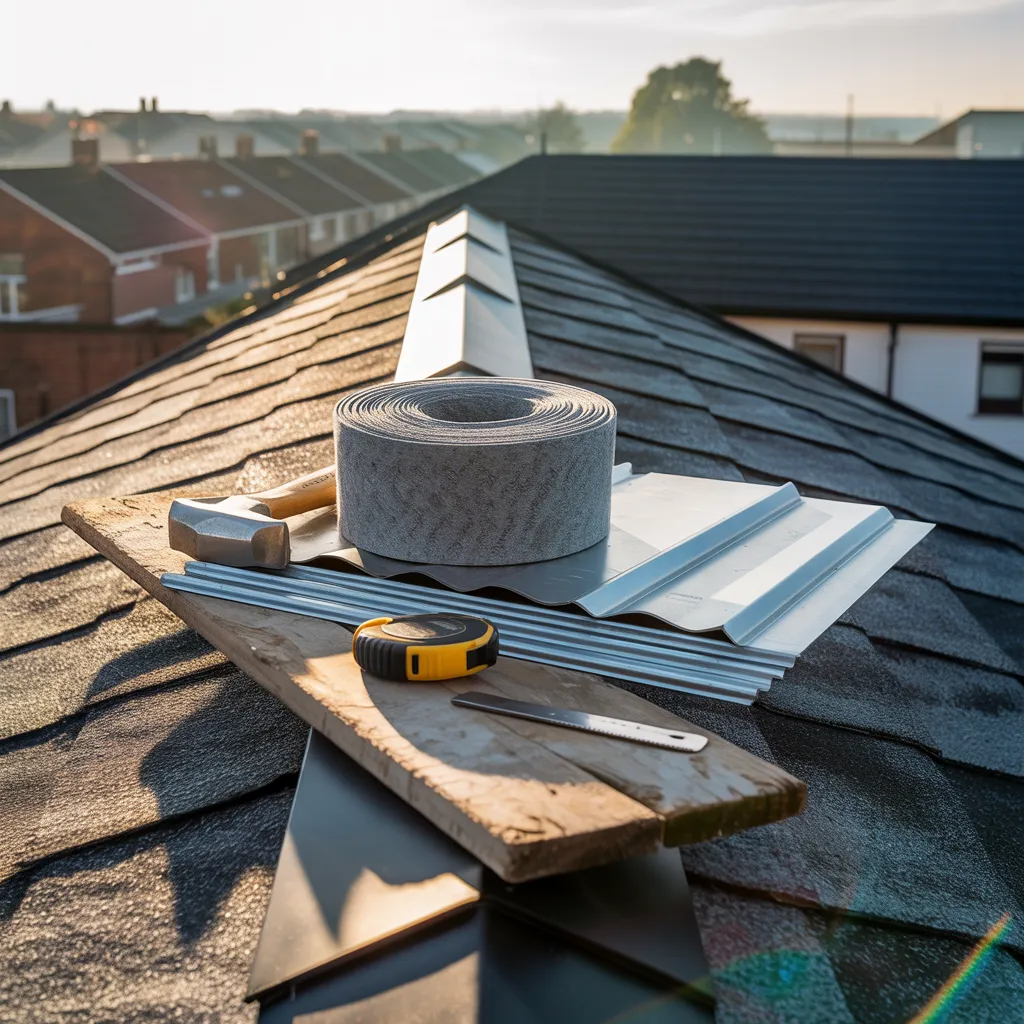
Importance of a High-Quality Roof Installation
A properly installed roof acts as the first line of defense against the elements, making the importance of quality roof installation crucial. A roof protects not only the structural integrity of a building but also the safety and well-being of its occupants. Inadequate installation can lead to water damage, leaks, and mold development, which can weaken the building's foundation and lead to costly repairs. Moreover, a quality roof contributes to energy efficiency by providing proper insulation, decreasing heating and cooling costs. It improves the overall aesthetic appeal and market value of the property, making it a sound investment. Furthermore, a professionally installed roof meets local building codes and standards, ensuring safety and reliability. Homeowners should prioritize hiring skilled roofing contractors who understand the intricacies of various roofing materials and techniques, as this can significantly impact the performance and longevity of the roof. In the end, a sound installation establishes the foundation for long-term protection and peace of mind.
Frequent Roof Repairs with their Solutions
Various roofing concerns can emerge over time, requiring timely repairs to copyright the integrity of a home. Common issues include leaks, missing or damaged shingles, and sagging roofs. Leaks commonly arise applicable information from worn-out flashing or compromised shingles, needing immediate attention to stop water damage. Homeowners may need to replace missing shingles or repair damaged ones to secure a watertight seal.
Another typical concern is the accumulation of debris in gutters, which can cause water pooling and subsequent roof damage. Consistent cleaning and upkeep can prevent this problem. Additionally, sagging roofs can signal structural problems, demanding a professional evaluation to establish the underlying cause and appropriate solution.
In the end, handling these typical roofing repairs swiftly not only maintains the home's structural integrity but also extends the durability of the roof, offering peace of mind to homeowners.
The Right Time to Consider a Roof Replacement
When should a homeowner consider replacing their roof? Multiple signs can point to the necessity of roof replacement. Primarily, the age of the roof matters considerably; roofs typically last 20 to 30 years, depending on materials. Should a roof reach or go beyond this timeframe, replacement ought to be evaluated.
Furthermore, apparent damage such as buckling, missing shingles, or severe granule loss indicates deterioration. Homeowners should also inspect for moisture intrusion or water stains within the home, as these can point to underlying issues.
One more consideration is the roof's structural integrity; drooping or irregular surfaces can indicate serious problems that require a complete replacement. Additionally, if repairs become frequent and costly, purchasing a new roof might be more economical in the long run.
Ultimately, speaking with a professional can offer clarity on whether a roof replacement is needed for guaranteeing safety and protection.
Regular Maintenance Practices for Lasting Performance
While many homeowners may overlook their roofs until problems arise, routine upkeep procedures are essential for extending a roof's longevity. Examinations must be completed at least biannually, emphasizing the discovery of potential concerns including lost shingles, splits, or evidence of water intrusion. Clearing debris, such as leaves and branches, from the roof and gutters prevents water buildup, which may result in seepage and deterioration. Furthermore, handling small fixes quickly can avoid more significant harm and expensive restoration later. Property owners should also examine appropriate air circulation, because poor air circulation can cause thermal retention and dampness, compromising the roof's integrity. Ultimately, organizing expert assessments can deliver an in-depth analysis and professional advice suited to the individual roofing system. Executing these consistent maintenance protocols confirms a roof maintains excellent condition, shielding the residence from environmental factors and increasing its complete value.
Picking the Right Roofing Materials for Your Home
In choosing roofing materials, homeowners need to consider multiple factors such as climate, budget, and aesthetic preferences to guarantee a durable and visually appealing choice. Different materials provide distinct advantages; for example, asphalt shingles are economical and suitable for various climates, while metal roofing ensures extended lifespan and energy efficiency.
In locations experiencing extreme weather, slate or tile are often favored for their robust nature and resistance to extreme conditions. Additionally, the architectural style of the home should guide the choice of materials; traditional homes often work well with wood shakes or shingles, while modern designs may favor metal or flat roofing choices.
Budgetary restrictions likewise fulfill an important purpose, as some materials require higher upfront costs but could provide savings in maintenance and energy bills throughout the years. Ultimately, a deliberate approach to choosing materials ensures that homeowners achieve a balance between practicality and visual charm.
Popular Questions
How Much Time Does a Standard Roof Installation Require?
A typical roof installation typically takes 1-3 days, depending on the roof size, complexity, and weather conditions. Factors such as the material type and crew experience also influence the total duration.
What Roofing Service Warranties Are Available?
Warranties on roofing services typically include material warranties, which last from 20 to 50 years, and workmanship coverage, extending from 1 to 10 years. The coverage length and scope differ by contractor and specific materials used.
Can I Put a New Roof Over My Existing One?
Yes, one can install a new roof over an existing one, provided local building codes permit it and the structure can support the additional weight. However, thorough assessment and preparation are essential for long-term durability.
What Are the Signs of a Roof That Needs Repair?
Signs of a roof needing repair include broken or missing shingles, water leaks, sagging sections, ceiling water stains, heavy granule loss found in gutters, and visible mold or mildew. Quick action can stop additional damage.
In What Ways Do Weather Conditions Influence Roofing Projects?
Weather conditions significantly affect roofing projects. Rain delays installation, while excessive heat or cold can influence the integrity of materials. Strong winds create safety hazards, and snow accumulation can hinder progress, necessitating strategic planning and precise timing for optimal results.